CEBU CITY — A rattan weavers’ group in northern Cebu and a camote chip maker in Bohol are getting a shot at bigger markets after being chosen as Central Visayas’ flagship products under the Department of Social Welfare and Development’s Project Katha.


The initiative, run by DSWD’s Sustainable Livelihood Program (SLP), aims to take “good” community products and turn them into brands that can compete on supermarket shelves and online marketplaces.
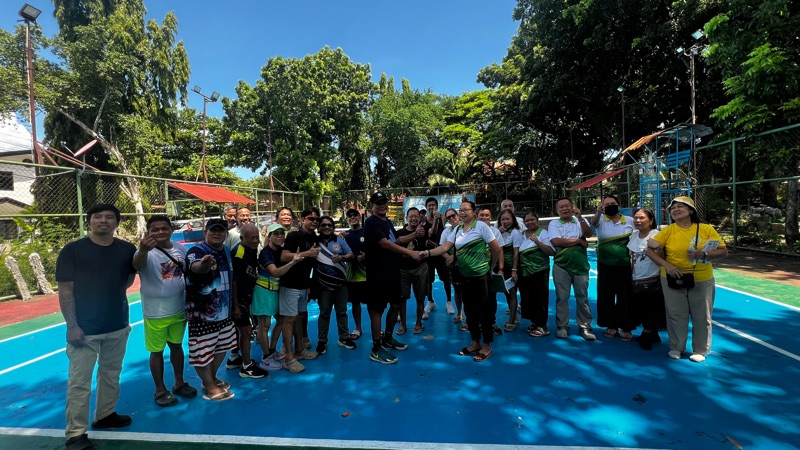
The Project Katha validation team toured the two enterprises endorsed by DSWD-SLP Field Office 7--the Sandayong Local Weavers Association in Sogod, Cebu, and Rochel Datoy of Tagbilaran City, Bohol.
In Sogod, the team watched members of the Sandayong Local Weavers Association bend, strip, and weave locally sourced rattan into chairs, tables, and décor.
For years, the group has relied on SLP for training and starter capital. Now, it wants to scale up. "Sa paglabay sa mga tuig, padayon kaming gigiyahan ug gisuportahan sa SLP. Mapasalamaton kami nga nakita sa programa ang potensyal sa among mga produkto ug gihatagan kami og mga oportunidad aron mapauswag ug mapalambo pa kini.” (Over the years, SLP has continued to guide and support us. We are grateful the program saw the potential in our products and gave us opportunities to improve them.) said association president Neolito Densing.
In Bohol, the team sampled batches of camote chips and camote delight from Rochel Datoy. Her small food business has already made waves — she placed 2nd in the 2025 National Gawad Sulong Awards and has joined regional trade fairs.
"Dili pa ko katuo sa mga panghitabo, gikan sa recognition last year ug karon sa project Katha. Mapasalamaton kaayo sa padayon nga suporta ug pag giya sa SLP," Datoy said. (I’m still amazed. From last year’s recognition to Project Katha now, I’m very grateful for SLP’s continued support.)
Project Katha doesn’t stop at praising craftsmanship. The next step is to send product samples to four partner universities where experts will help improve packaging, design, and market positioning.
"Maganda na ang kanilang mga produkto. Ngunit para sa Project Katha, hindi nagtatapos sa pagiging ‘maganda’ ang layunin nito. Nais nitong maging mas kompetitibo, mas mabenta sa merkado, at mas handa para sa mas malawak at mas malaking merkado," said Alieen Dizon, Project Development Officer III.
DSWD-7 regional director Shalaine Marie Lucero said, the program is shifting focus from livelihood grants to product development. "There are a lot of products here that need to be developed," she noted. “It’s not just about making the product better. It’s about how we present, position, and introduce it to consumers.”
Launched under Mandaue Business Month initiatives, Project Katha is DSWD’s answer to a common problem that many SLP enterprises make quality goods, but struggle with branding and market access.
By pairing community producers with
universities and market experts, DSWD hopes to turn local creativity into
sustainable businesses — one rattan chair and one pack of camote chips at a
time. (Photos: DSWD-7)



No comments:
Post a Comment