CEBU CITY — The Department of Science and Technology (DOST)-Region VII is doubling down on its commitment to gender equality as it completed a two-day assessment aimed at making its programs, services, and workplace more gender inclusive.
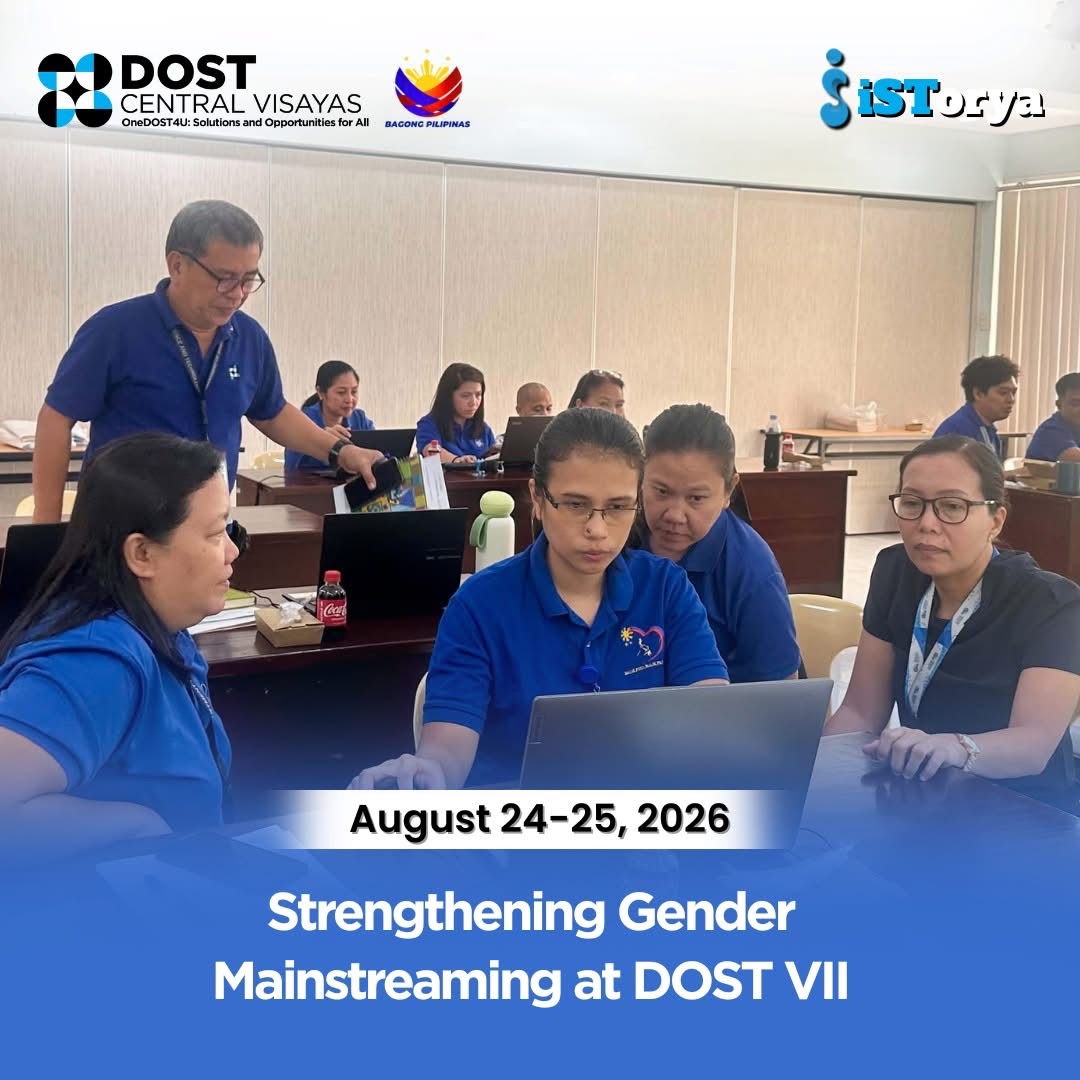 On August 24–25, 2026, DOST Central Visayas conducted a Gender Audit using the Gender Mainstreaming Evaluation Framework (GMEF) and the GFPS Functionality Assessment Tool during its Annual Gender and Development Planning and Budgeting Workshop held at the Elena Diola Memorial Hall in Sudlon, Lahug, Cebu City.
The activity brought together members of the agency’s Gender and Development Focal Point System (GFPS) to take stock of how well gender perspectives are integrated into DOST VII’s operations.
Assessing Progress, Identifying Gaps
Over two days, participants evaluated the agency’s current gender mainstreaming efforts, reviewed the functionality of the GFPS, and assessed priority areas under DOST VII’s GAD Agenda. The audit also identified key areas for improvement to ensure that science, technology, and innovation programs reach women, men, and marginalized groups equitably.
“Conducting this audit is not just compliance. It’s about making sure that our S&T interventions are truly responsive to the needs of all Filipinos,” DOST-7 Regional Director, Tristan Abando said.

A major output of the workshop is the development of DOST Central Visayas’ 2027 GAD Plan and Budget to guide how the agency allocates resources for gender-responsive programs, trainings, and services in the coming year.
Expected focus areas include Capacity-building for GFPS members to sustain gender mainstreaming across divisions; gender-responsive S&T programs such as tech training for women MSMEs, scholarships, and inclusive R&D initiatives; and workplace policies that promote a safe, non-discriminatory, and family-friendly environment
Gender mainstreaming in government is an initiative that aligns with the Magna Carta of Women and the GAD Budget Policy, which mandates that at least five percent of agency budgets be used for GAD programs.
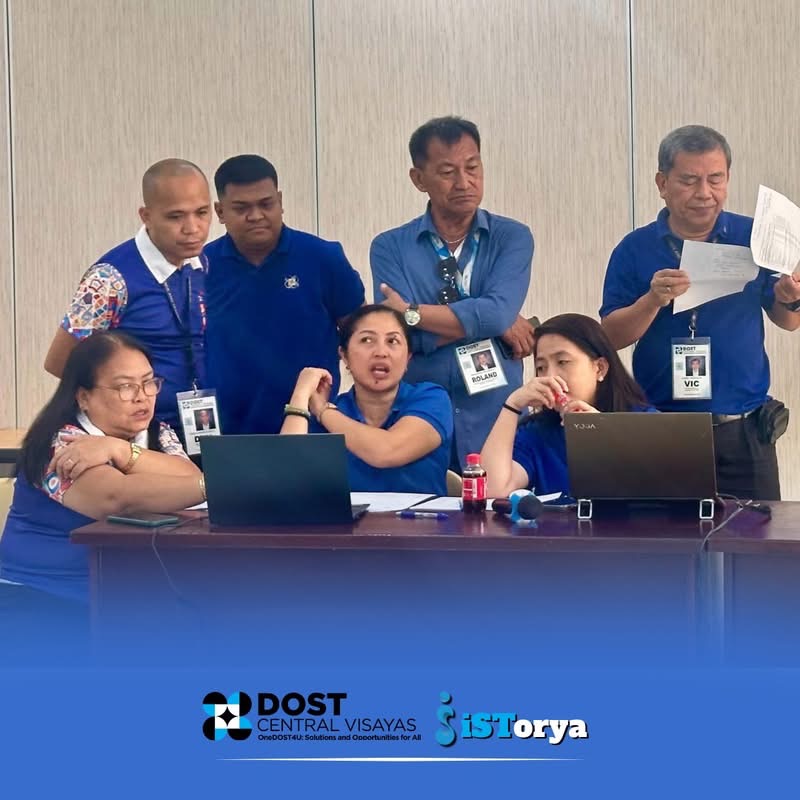
Across government, agencies are now moving beyond compliance. From gender-responsive disaster preparedness of DOST-PAGASA, to tech livelihood programs for women by DOST-PTRI and DOST-FNRI, to PCW-led GMEF audits, the push is to embed gender analysis in planning, implementation, and monitoring, Abando said.
For DOST, this means ensuring that innovations in agriculture, health, energy, and digitalization do not leave women, PWDs, and other vulnerable sectors behind, Abando stated.
With the 2027 GAD Plan now in the works, DOST Central Visayas says it will continue to strengthen the GFPS and integrate gender analysis in all stages of project design.
“Together, we continue to advance gender equality and promote a more inclusive and responsive DOST Central Visayas,” Abando added.
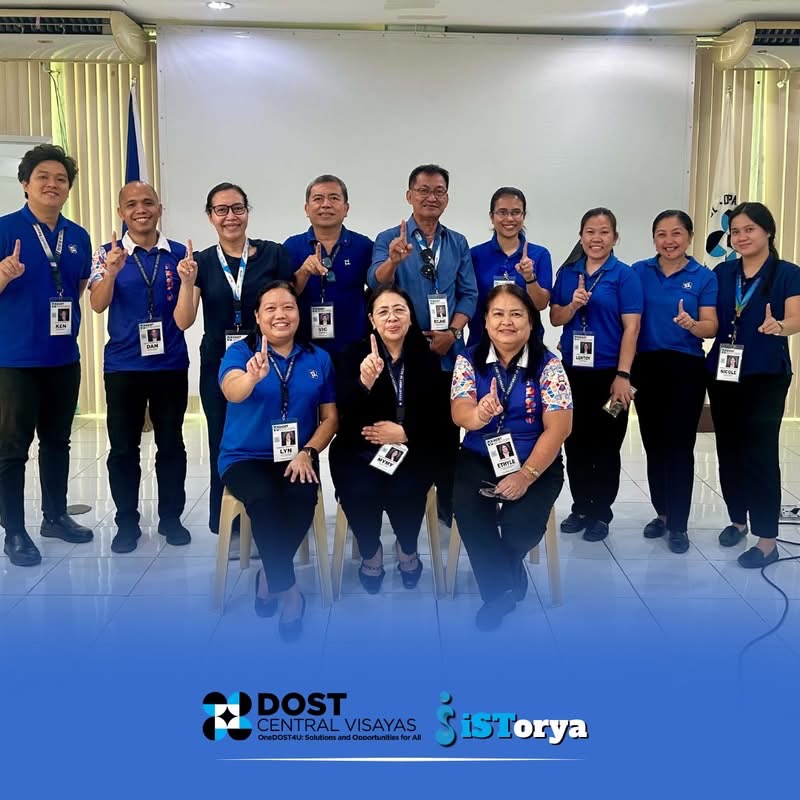
The GAD audit marks another step toward making science and technology a tool not just for progress, but for equity. (Photos: DOST7/FB)



No comments:
Post a Comment